
 PDF
PDF
 Word
Word
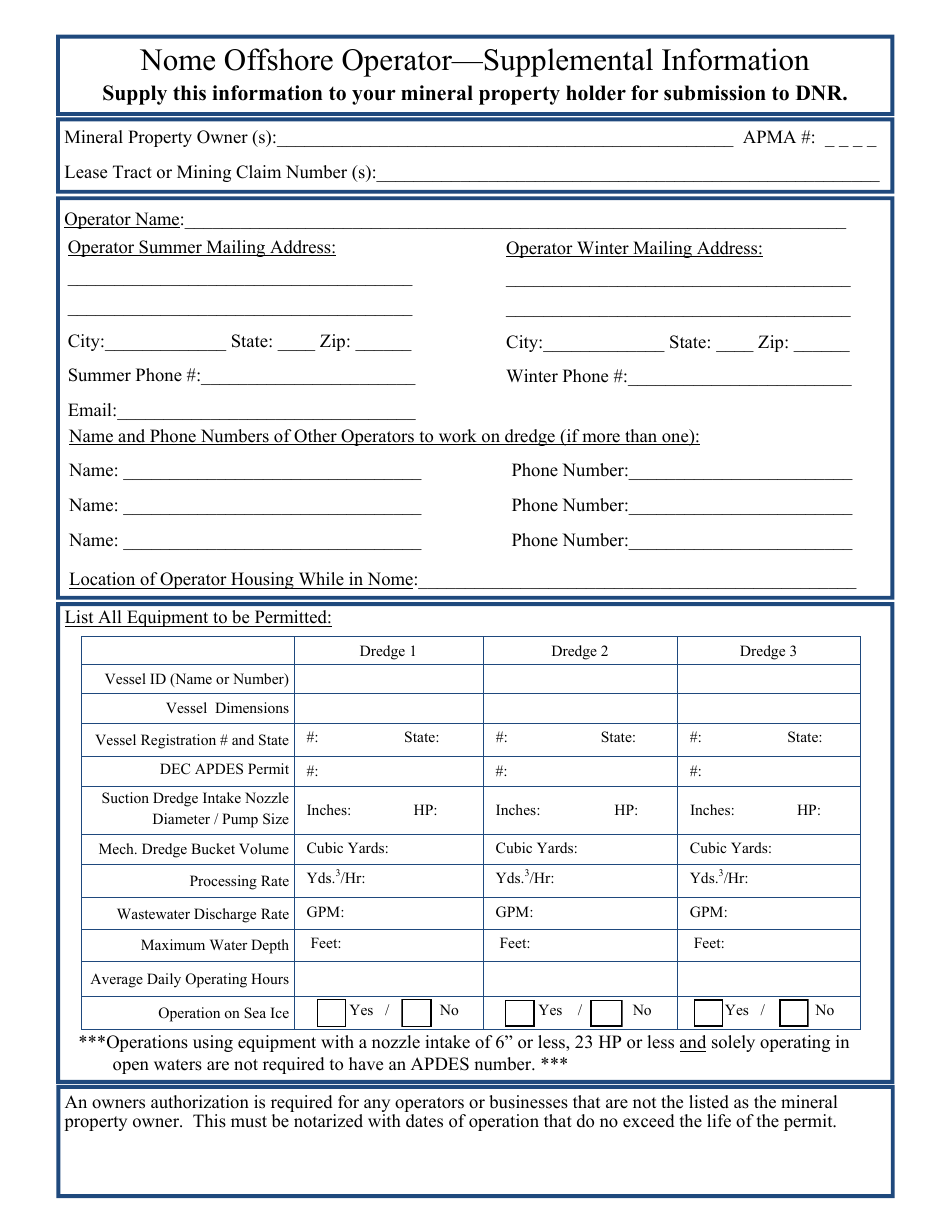
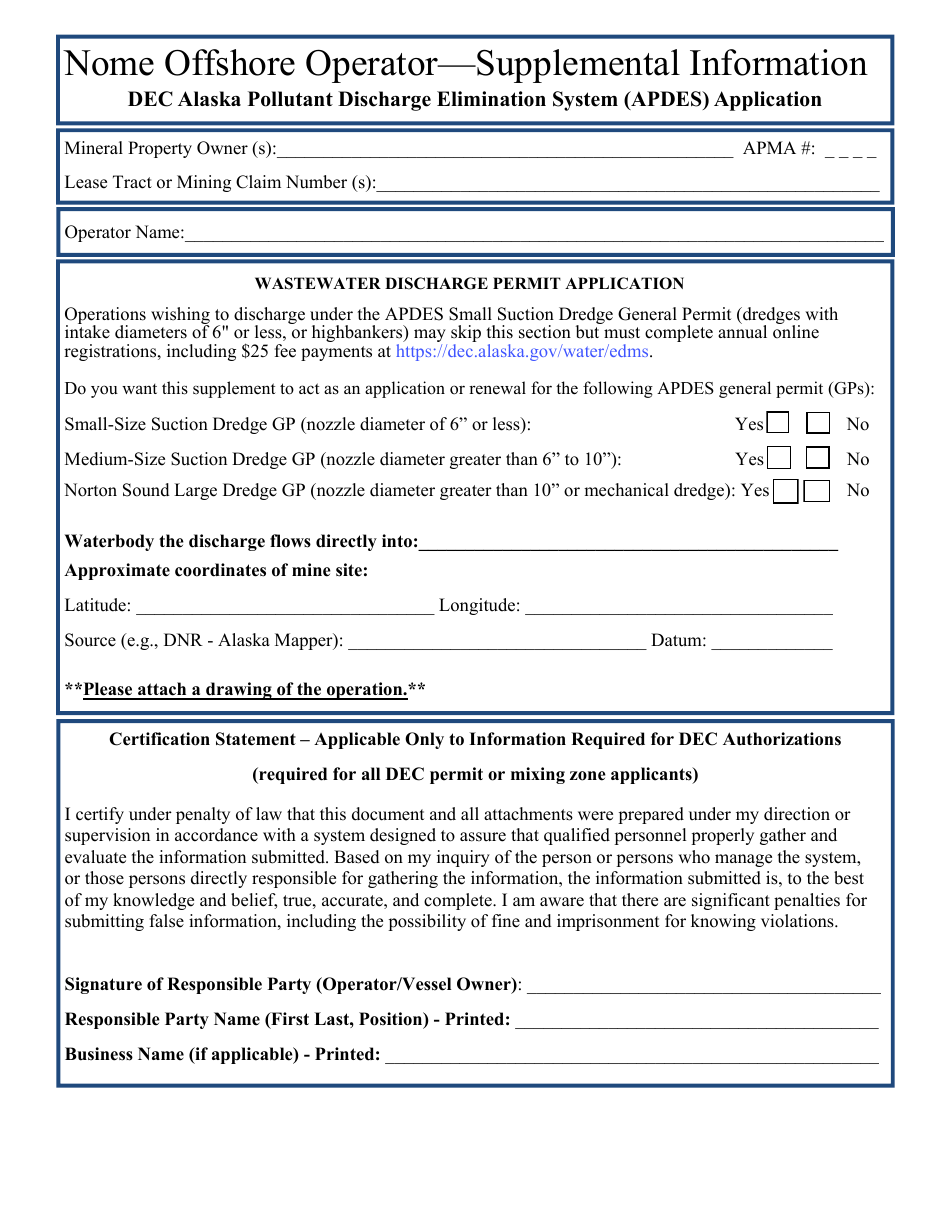
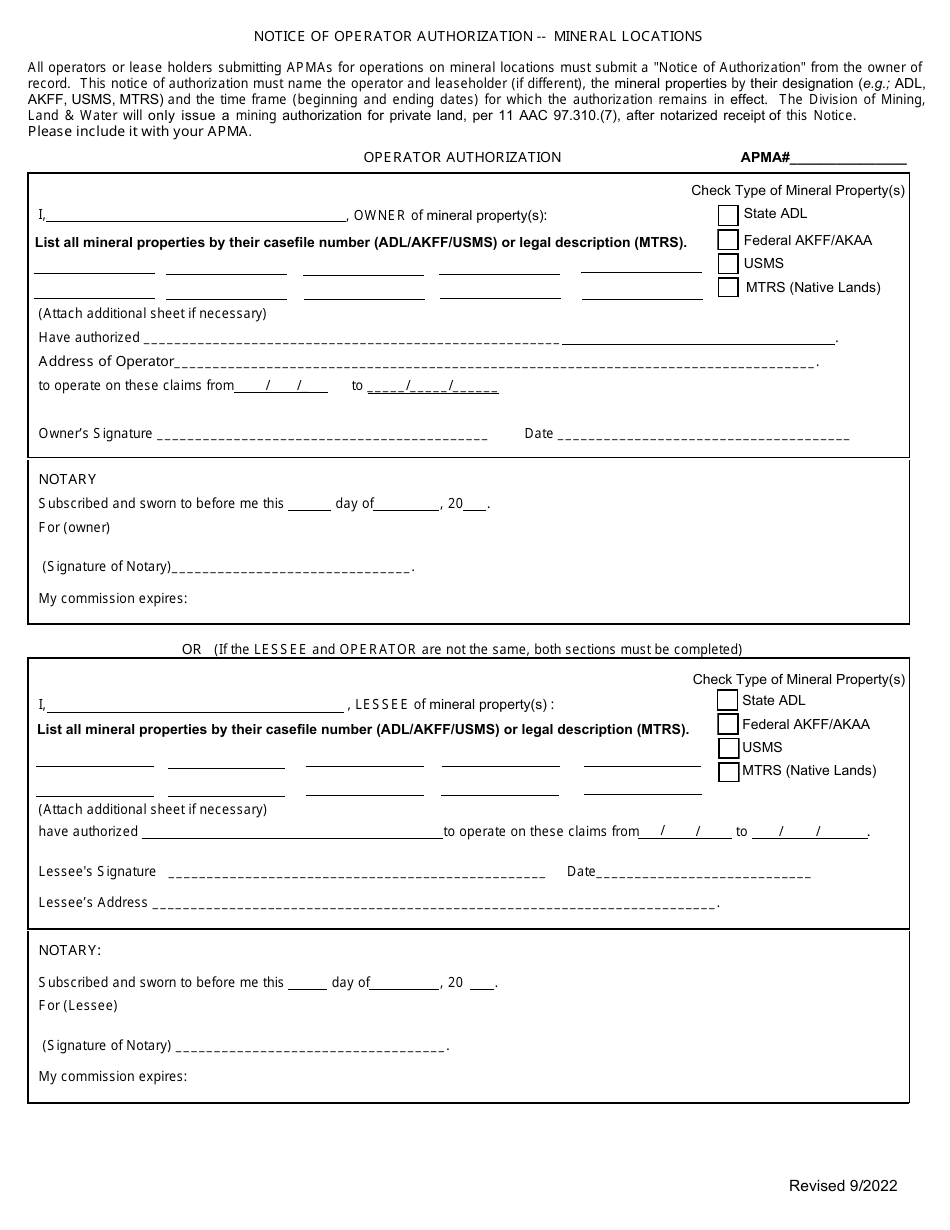
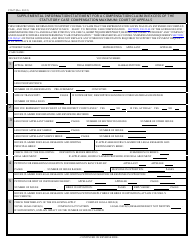
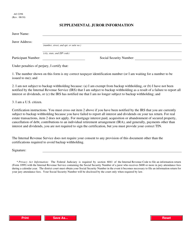
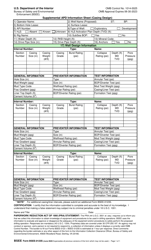
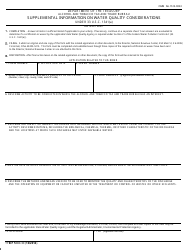
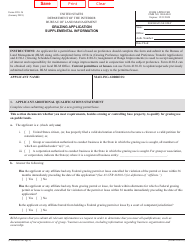
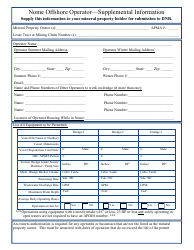
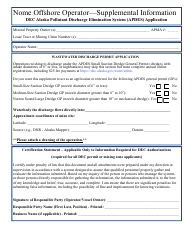
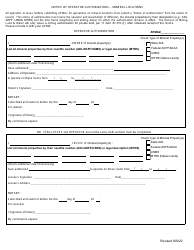
Nome Offshore Operator - Supplemental Information - Alaska
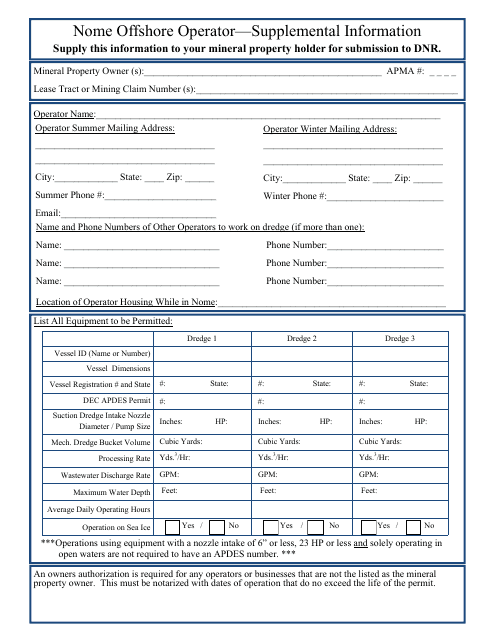
Nome Offshore Operator - Supplemental Information is a legal document that was released by the Alaska Department of Environmental Conservation - a government authority operating within Alaska.
FAQ
Q: What is an offshore operator?
A: An offshore operator is a company or organization responsible for operating and maintaining offshore installations, such as oil drilling platforms, in Alaska.
Q: How does an offshore operator differ from an onshore operator?
A: An offshore operator works on offshore installations, while an onshore operator works on land-based facilities.
Q: What are the primary responsibilities of an offshore operator?
A: The primary responsibilities of an offshore operator include overseeing the safe and efficient operation of equipment and systems, managing production activities, conducting maintenance and repairs, and ensuring compliance with regulations.
Q: Are there any specific qualifications or certifications required to become an offshore operator in Alaska?
A: Yes, offshore operators typically need to have relevant technical training, experience working in offshore environments, and various certifications related to safety and operational procedures.
Q: What is the role of an offshore operator in Alaska's oil industry?
A: Offshore operators play a crucial role in the exploration, extraction, and production of oil in Alaska's offshore areas, contributing to the state's economy and energy supply.
Q: Is being an offshore operator a dangerous job?
A: Working as an offshore operator can be challenging and involves certain risks due to the remote and harsh environment, but strict safety protocols and regulations are in place to minimize hazards.
Q: Are offshore operators only involved in oil drilling?
A: Offshore operators are primarily associated with oil drilling, but they may also be involved in other activities, such as natural gas production or renewable energy projects, depending on the location and resources.
Q: Do offshore operators work year-round in Alaska?
A: Offshore operators may work year-round in Alaska, but the operations can vary depending on factors like weather conditions, seasonal demands, and maintenance schedules.
Form Details:
- Released on September 1, 2022;
- The latest edition currently provided by the Alaska Department of Environmental Conservation;
- Ready to use and print;
- Easy to customize;
- Compatible with most PDF-viewing applications;
- Fill out the form in our online filing application.
Download a fillable version of the form by clicking the link below or browse more documents and templates provided by the Alaska Department of Environmental Conservation.
Download Nome Offshore Operator - Supplemental Information - Alaska
1
2

3
4