
 PDF
PDF
 Word
Word
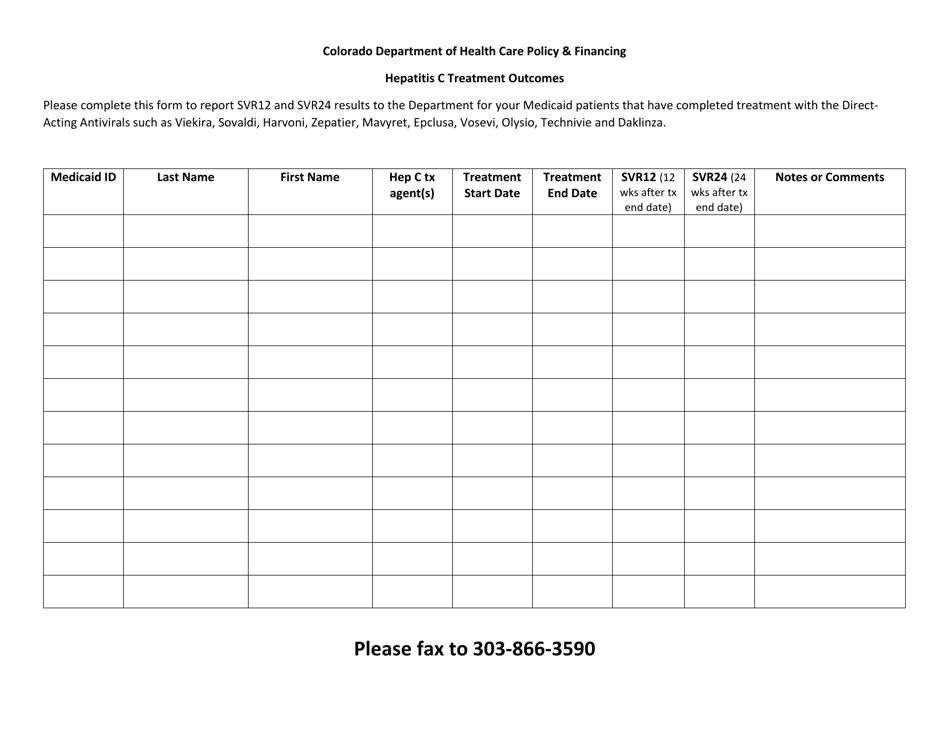
Hepatitis C Treatment Outcomes - Colorado

Hepatitis C Treatment Outcomes is a legal document that was released by the Colorado Department of Health Care Policy and Financing - a government authority operating within Colorado.
FAQ
Q: What is hepatitis C?
A: Hepatitis C is a viral infection that primarily affects the liver.
Q: How is hepatitis C transmitted?
A: Hepatitis C is usually transmitted through contact with infected blood. This can happen through sharing needles or other drug paraphernalia, getting a tattoo or piercing with contaminated equipment, or through unprotected sex with an infected person.
Q: What are the treatment options for hepatitis C?
A: There are several antiviral medications available to treat hepatitis C. These medications can cure the infection in most cases.
Q: What are the outcomes of hepatitis C treatment?
A: The outcomes of hepatitis C treatment are generally very positive. With proper treatment, the infection can be cured, which reduces the risk of liver damage and other complications.
Q: Are there any side effects of hepatitis C treatment?
A: Antiviral medications used to treat hepatitis C can have side effects, but they are usually mild and manageable. Common side effects include fatigue, headache, and nausea.
Q: Is hepatitis C treatment covered by insurance?
A: Hepatitis C treatment is usually covered by insurance. However, coverage may vary depending on your specific insurance plan.
Q: Can hepatitis C be prevented?
A: Hepatitis C can be prevented by avoiding behaviors that can lead to transmission, such as sharing needles or engaging in unprotected sex. Additionally, getting vaccinated for hepatitis A and B can help prevent complications from hepatitis C infection.
Form Details:
- The latest edition currently provided by the Colorado Department of Health Care Policy and Financing;
- Ready to use and print;
- Easy to customize;
- Compatible with most PDF-viewing applications;
- Fill out the form in our online filing application.
Download a printable version of the form by clicking the link below or browse more documents and templates provided by the Colorado Department of Health Care Policy and Financing.