
Tax Credit Templates
Documents:
3232
 PDF
PDF  Word
Word
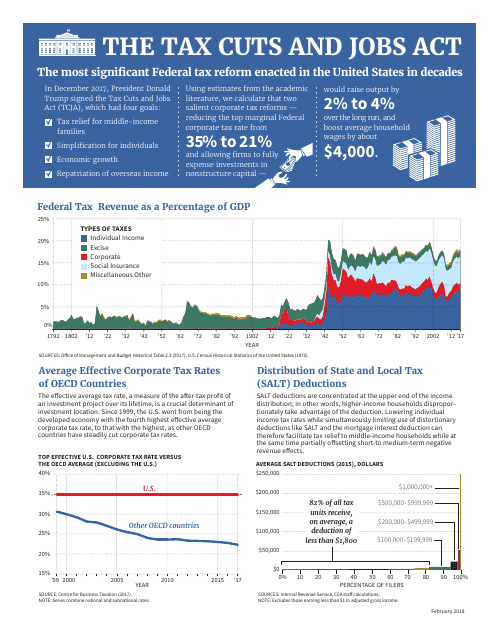
This document explains the Tax Cuts and Jobs Act, a law in the United States that made changes to the tax code with the goal of promoting economic growth and job creation.
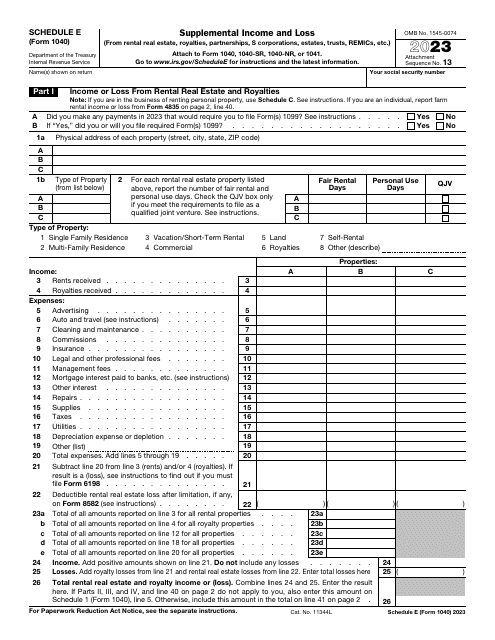
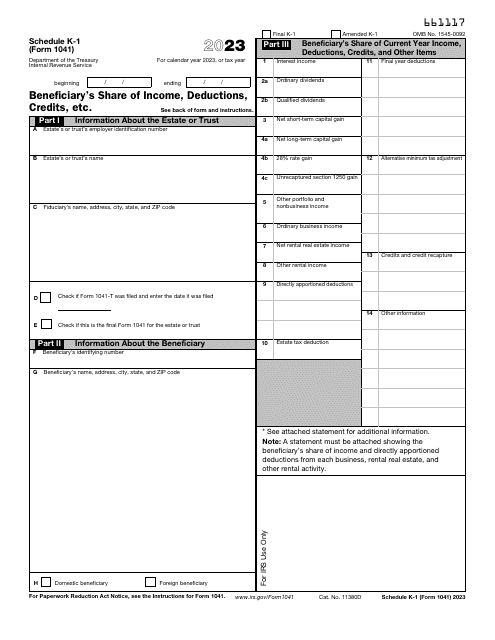
This form is part of the IRS 1040 series, which is used to calculate and submit different types of federal individual income tax returns. File this form to inform the Internal Revenue Service (IRS) about your income and loss from royalties, rental real estate, trusts, and S corporations among others.
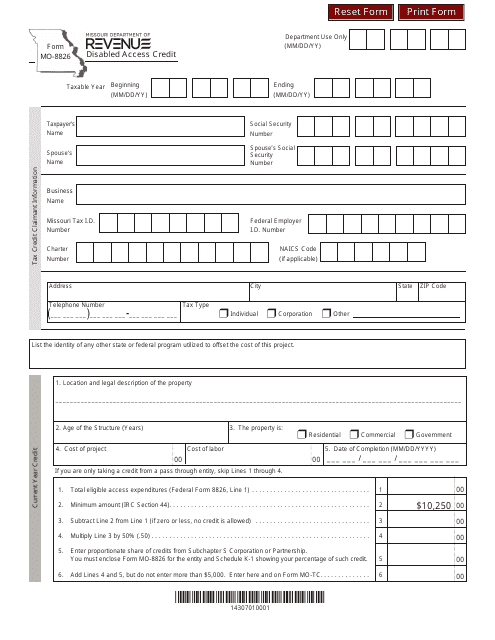
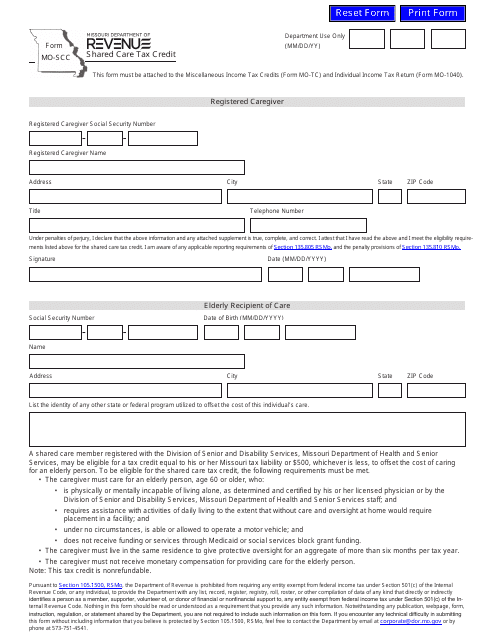
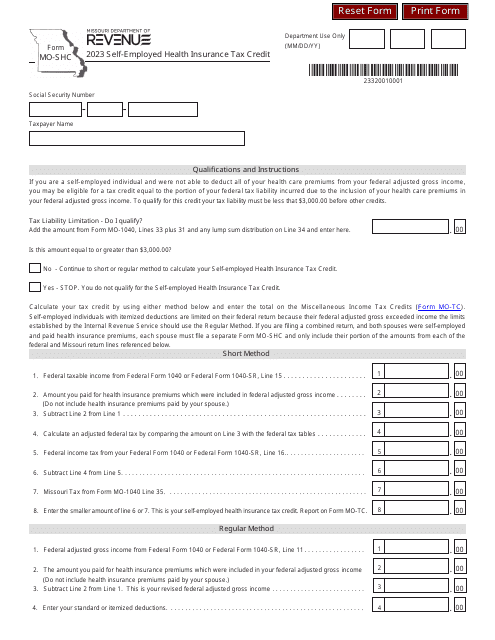
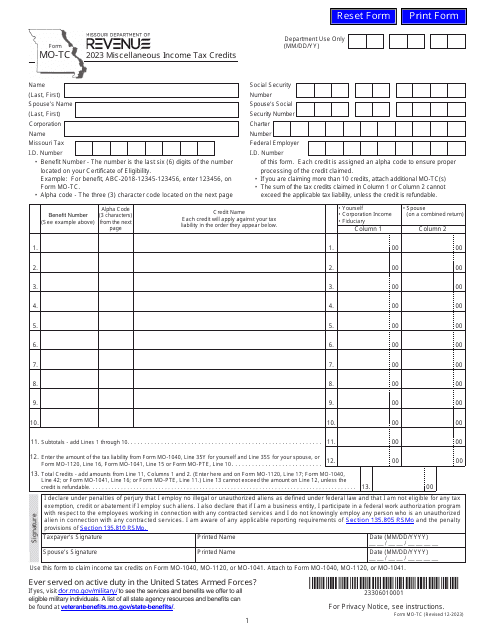
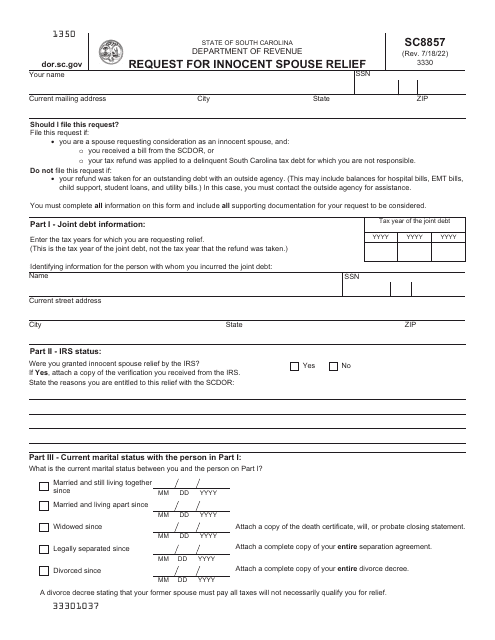
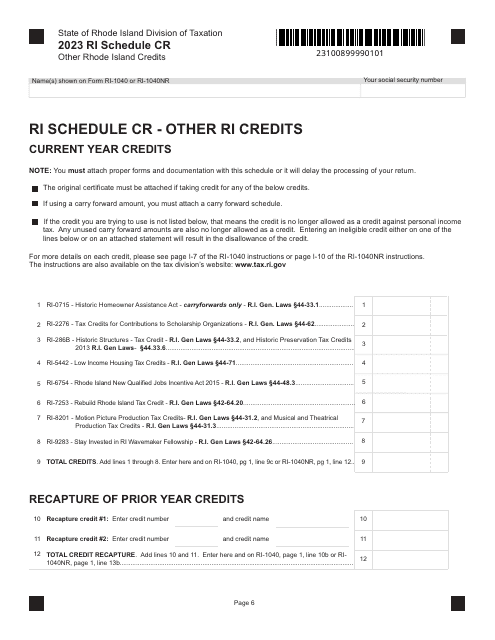
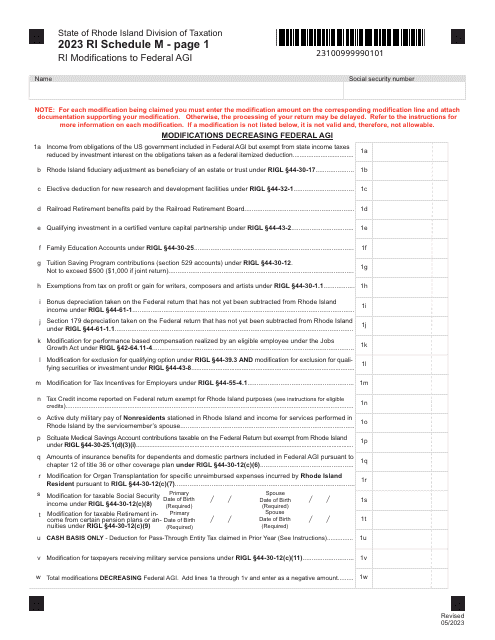
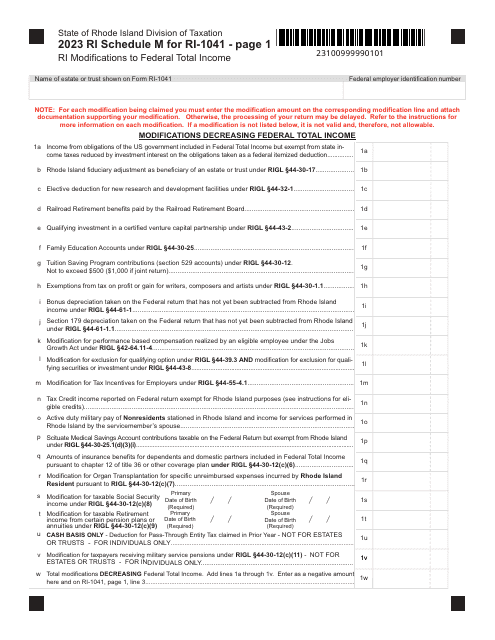
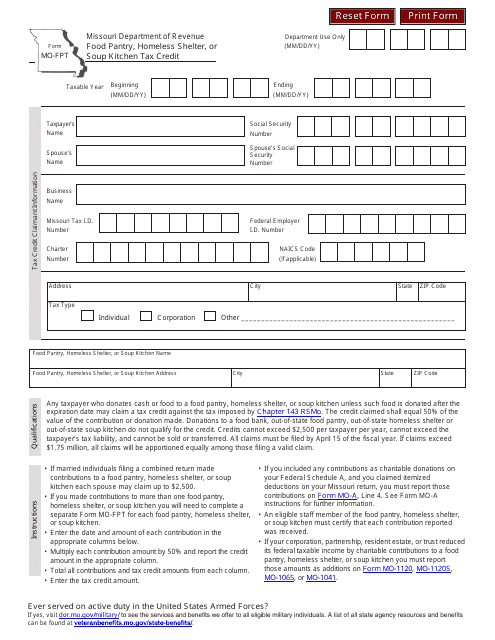
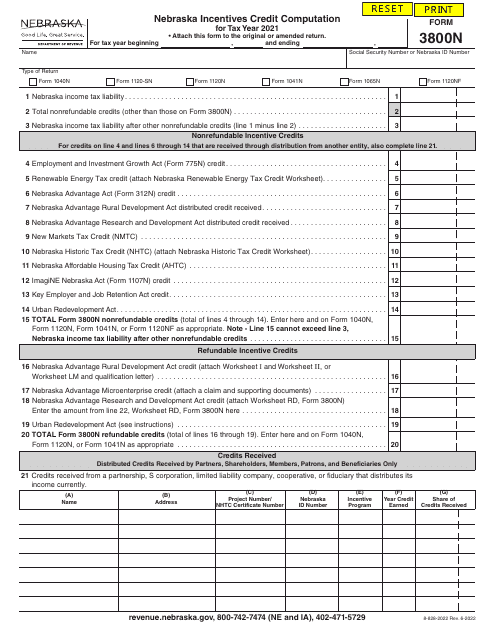
This form is also known as the healthcare marketplace tax form. It is used to inform the IRS about individuals and families enrolled in a health plan via the Health Insurance Marketplace.
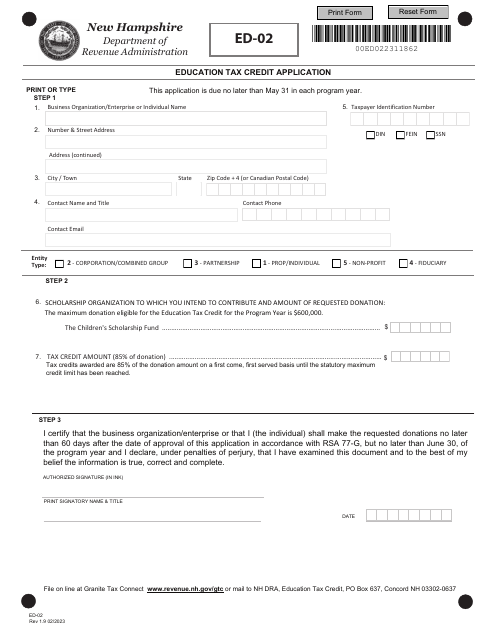
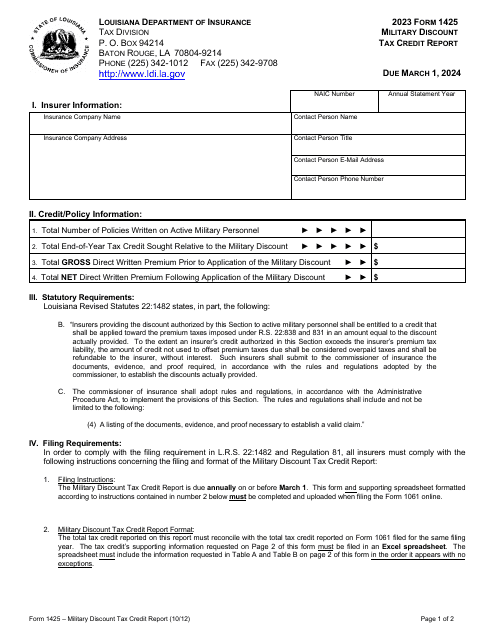
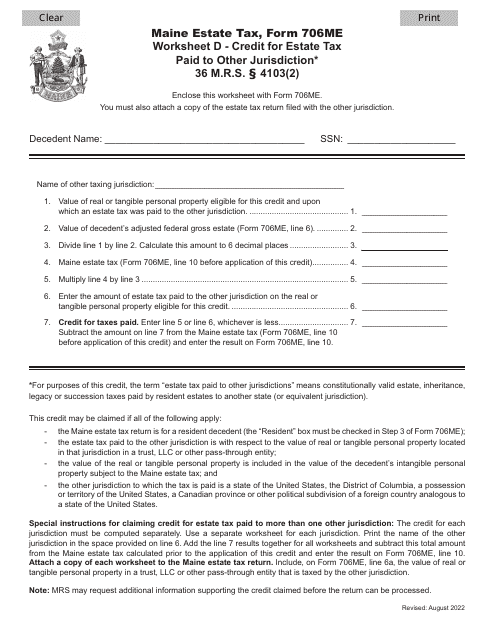
This form is used for claiming a credit for estate tax paid to another jurisdiction in the state of Maine.
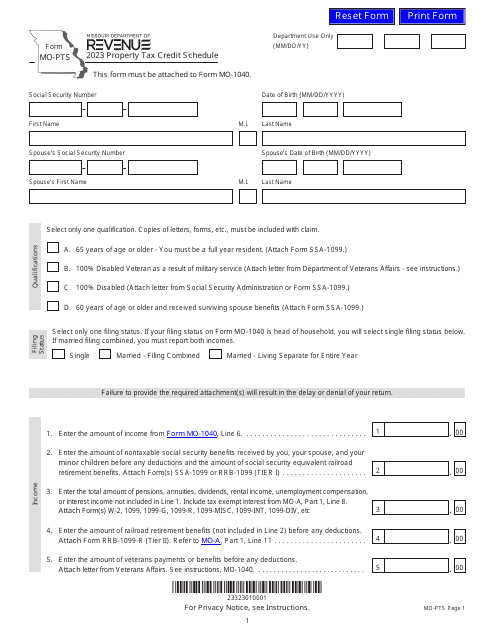
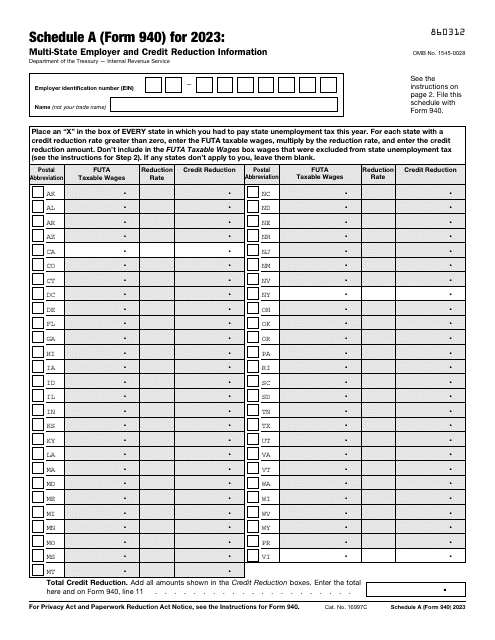
This is a supplementary form used by a taxpayer to figure out their annual federal unemployment tax.
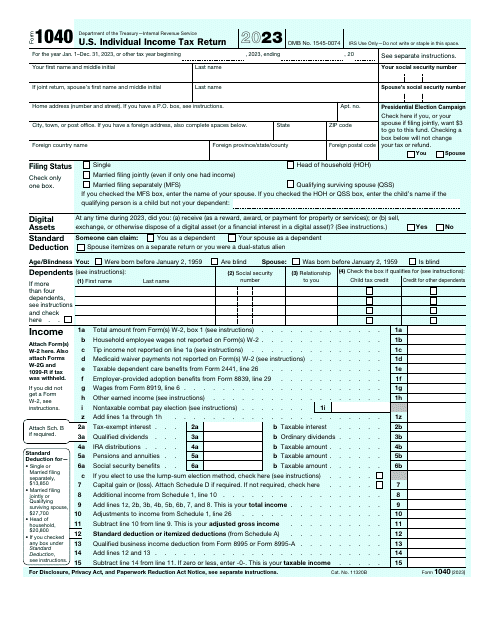
Use this basic form if you are an American taxpayer and wish to submit an annual income tax return. This form is also known as the Individual Income Tax Return Form.
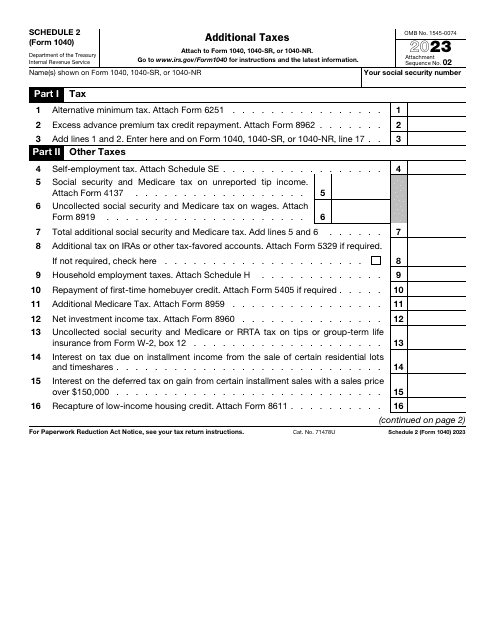
This is a supplementary document designed to allow taxpayers to list taxes they do not outline on the main income statement they are supposed to file annually.
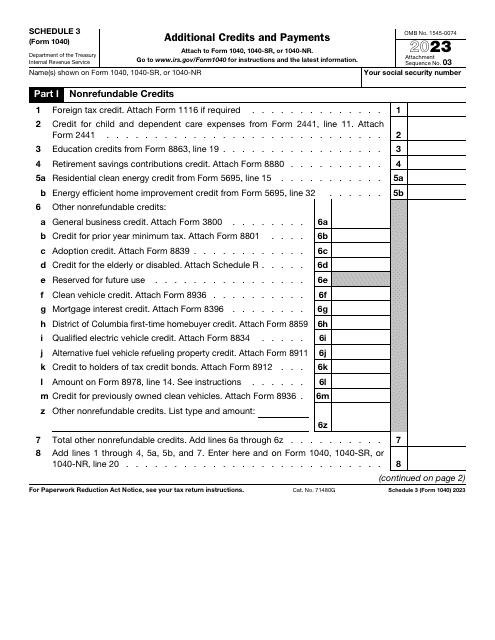
This is a fiscal form that elaborates on payments and credits that may let an individual lower the taxes they would otherwise have to pay in full or add to the amount of tax refund they are claiming.
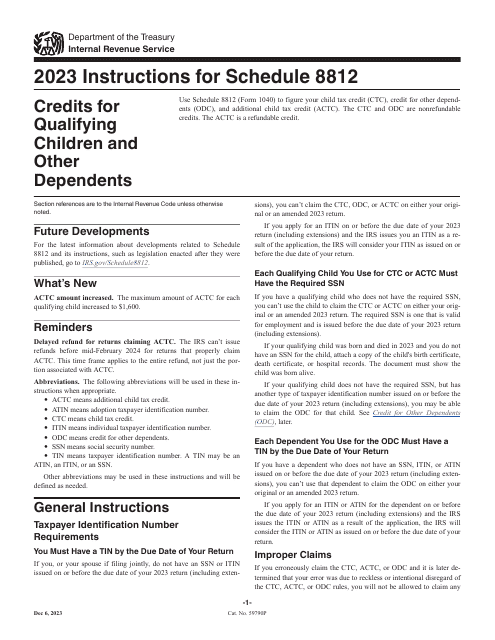
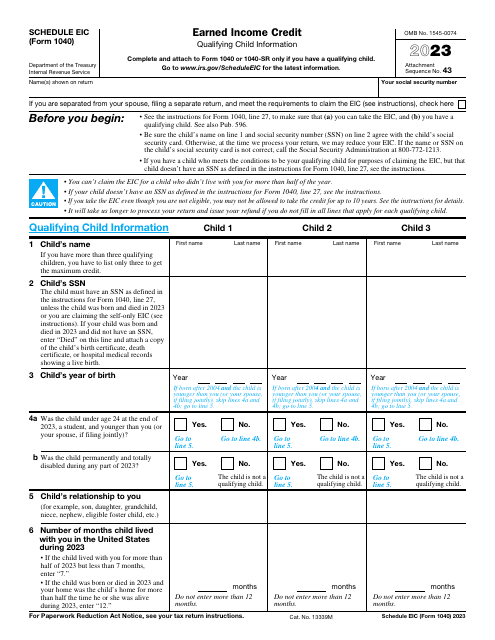
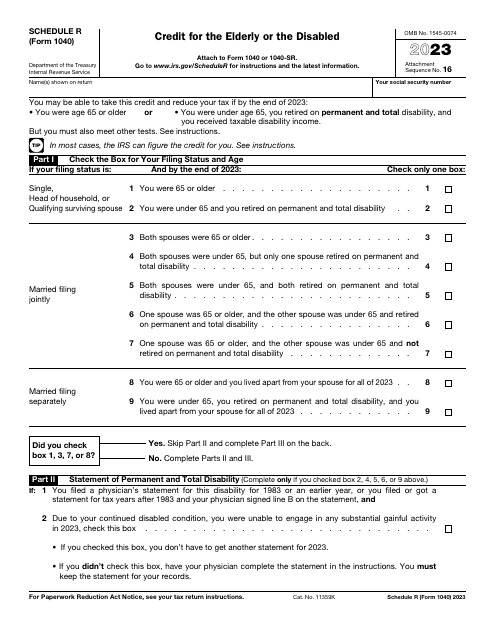
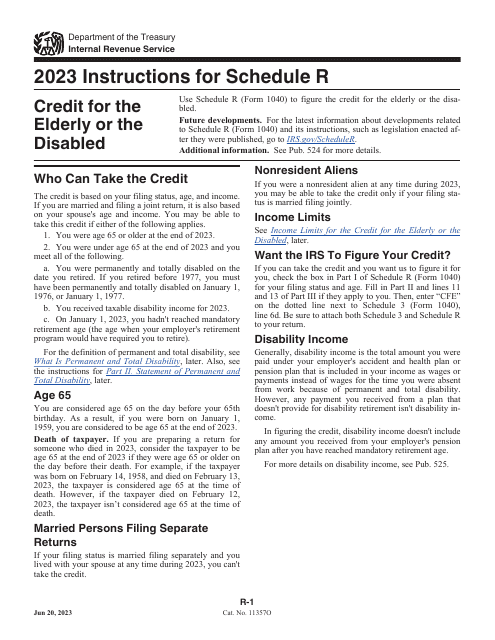
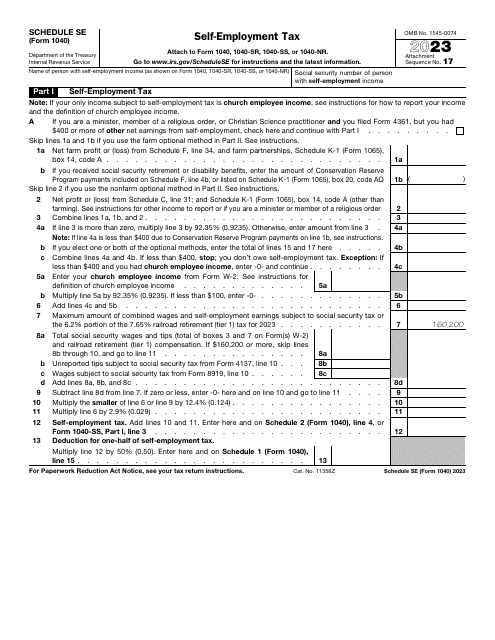
This is an IRS form that contains the breakdown of the self-employment tax the taxpayer figures out after analyzing their net earnings.
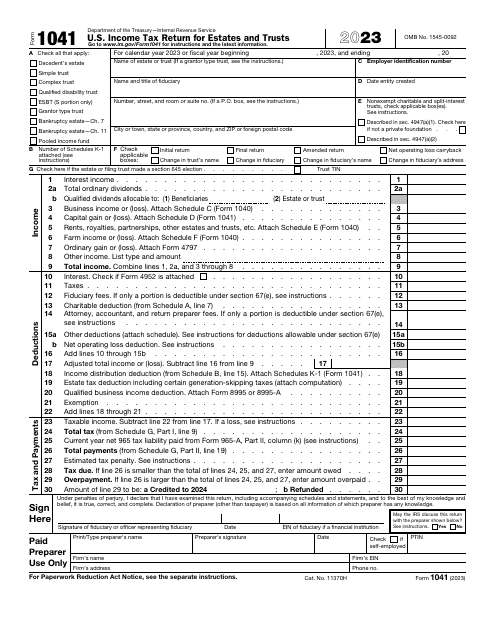
File this document, also known as the Estates and Trusts Tax Return, as an income tax return to the Internal Revenue Service (IRS) if you are a fiduciary of a bankruptcy estate, domestic decedent's estate, or a trust.
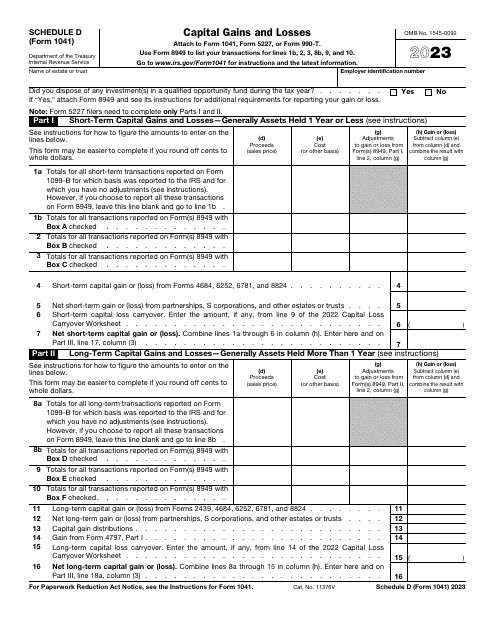
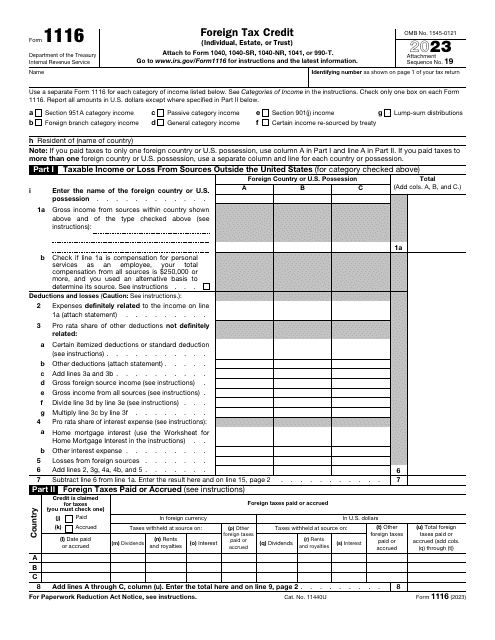
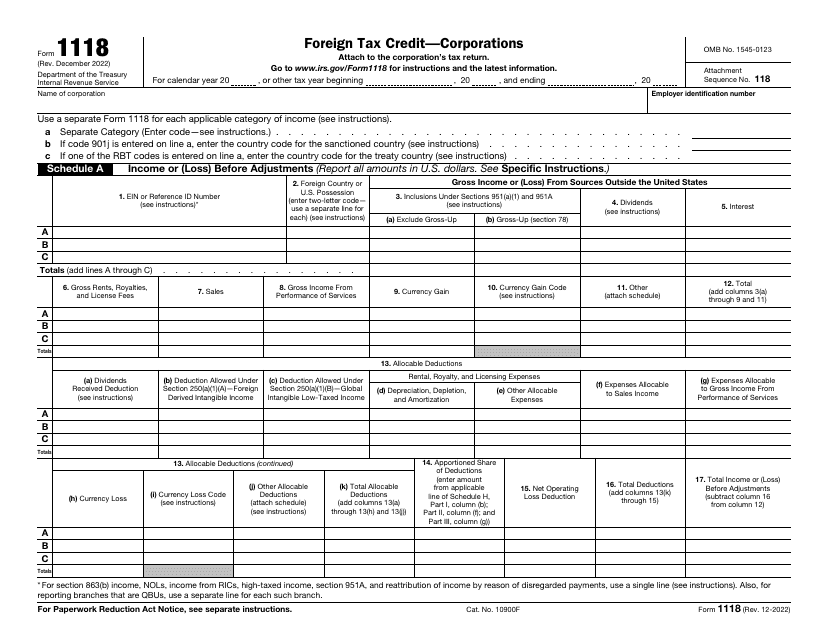
This is a formal document that allows American taxpayers that reside, work, and manage businesses overseas to lower the amount of tax they owe to the U.S. government.